
Sesamoiditis Treatment in New Canaan, CT
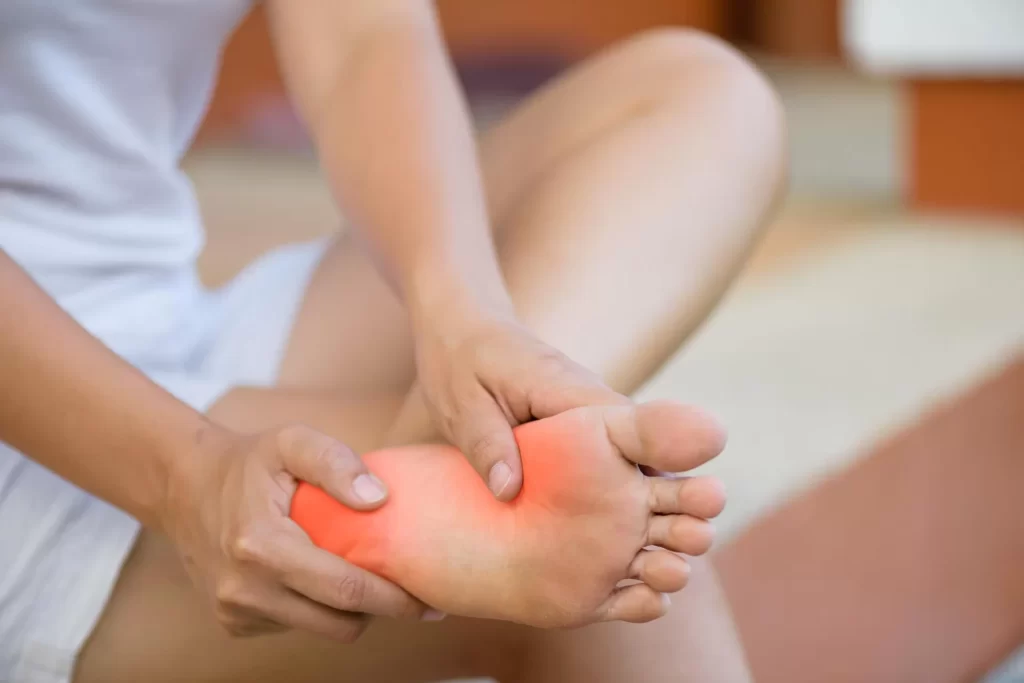
Sesamoiditis is an inflammatory condition affecting the sesamoid bones — two small, pea-sized bones embedded within the tendons beneath the big toe joint. These bones play a critical role in weight-bearing and the mechanics of toe push-off during walking and running. When they become inflamed or injured, the resulting pain can be surprisingly disabling.
At New Canaan Podiatry in New Canaan, CT , Dr. Jennifer Tauber, DPM, provides thorough evaluation and effective treatment for sesamoiditis. Call (203) 548-7688 or request an appointment online today.
Book OnlineWhat Causes Sesamoiditis?
Sesamoiditis is an overuse injury most commonly seen in ballet dancers, runners, and other athletes who place intense repetitive loading under the forefoot. It can also result from direct trauma — such as landing hard from a height — or from footwear that concentrates pressure under the first metatarsal head. Patients with high arches are particularly prone due to the increased pressure placed on the sesamoid complex.
Symptoms of Sesamoiditis
- Gradual onset of pain and tenderness directly beneath the big toe joint
- Pain that worsens with activities requiring toe push-off, such as running, climbing stairs, or wearing high heels
- Swelling and bruising in the ball of the foot near the big toe
- Difficulty bending and straightening the big toe
Treatment at New Canaan Podiatry
- Rest and activity modification to unload the sesamoids
- Sesamoid padding and dancer’s padding to offload the affected area
- Custom orthotics with a cut-out or relief under the first metatarsal head to reduce sesamoid loading
- Anti-inflammatory medications and corticosteroid injections for persistent inflammation
- MLS Laser Therapy to reduce inflammation and promote tissue healing
- Protective footwear with a stiff-soled shoe to limit big toe joint flexion during healing
- Immobilization boot for fractures of the sesamoid bone
Frequently Asked Questions
How do I know if I have sesamoiditis or a sesamoid fracture?
Both conditions cause similar symptoms. A sesamoid fracture typically presents with more sudden, severe pain following a specific injury event. Digital X-rays are essential to distinguish between the two. In some cases, MRI is needed because sesamoid fractures can be subtle on plain X-rays.
How long does sesamoiditis take to heal?
Mild sesamoiditis can improve within 4 to 6 weeks. More significant cases or sesamoid fractures may require 3 to 6 months of protected activity and consistent treatment. Compliance with offloading is essential for recovery.
Do I need surgery for sesamoiditis?
Surgery is rarely required for sesamoiditis and is typically a last resort after extended conservative care has failed. In cases of non-healing sesamoid fracture or avascular necrosis of the sesamoid, surgical removal of the bone may be considered.
Can I run with sesamoiditis?
Running should be avoided or significantly reduced during acute sesamoiditis. Low-impact alternatives such as swimming or cycling can be substituted to maintain fitness. Dr. Tauber will guide your return to running based on your recovery progress.
What footwear is best for sesamoiditis?
Low-heeled shoes with stiff, rocker-bottom soles that limit big toe joint flexion are most beneficial. High heels and flat, flexible shoes should be avoided. Custom orthotics with a sesamoid relief cut-out provide additional protection during activity.
Is sesamoiditis common in dancers and athletes?
Yes. Sesamoiditis is particularly prevalent in ballet dancers, runners, and athletes in sports that require repetitive forefoot loading and toe push-off. Proper footwear, foot strength training, and biomechanical support through custom orthotics are important preventive measures for high-risk individuals.
Can sesamoiditis recur after treatment?
Recurrence is possible if the underlying biomechanical factors — such as high arches or activities that place intense sesamoid loading — are not addressed. Ongoing use of protective custom orthotics and appropriate footwear significantly reduces the risk of recurrence.