Few foot conditions generate as much anxiety — or as much misinformation — as bunions. Some patients believe they just need to “live with it,” while others assume surgery is the only real solution. The reality is far more nuanced than either of those positions. Understanding what a bunion actually is, how it progresses, and what your treatment options are can help you make a well-informed decision about your foot health.
What Exactly Is a Bunion?
A bunion — medically known as hallux valgus — is a structural deformity of the first metatarsophalangeal (MTP) joint: the joint at the base of the big toe. As the deformity develops, the first metatarsal bone drifts inward while the big toe angles outward toward the second toe. This misalignment creates the characteristic bony prominence on the inner side of the foot.
Bunions are progressive deformities, meaning they do not improve on their own and typically worsen over time without intervention. They affect approximately one-third of adults in Western countries, with women affected more frequently than men — largely due to the influence of narrow-toed, high-heeled footwear.
What Causes Bunions?
The development of a bunion is multifactorial. The primary drivers include:
- Genetics and foot structure — bunions run strongly in families, and inherited foot mechanics such as flat feet and hypermobility of the first ray predispose individuals to bunion formation
- Footwear choices — narrow, pointed, or high-heeled shoes do not cause bunions, but they accelerate the progression of existing deformities by compressing the forefoot and forcing the big toe inward
- Inflammatory joint conditions — rheumatoid arthritis and other systemic inflammatory conditions can destabilize the MTP joint and promote bunion formation
- Neuromuscular conditions — conditions that affect muscle balance around the foot can alter the forces acting on the big toe joint
The Stages of Bunion Progression
Bunions progress through recognizable stages. In the early stage, the bony bump is small, the big toe maintains relatively normal alignment, and pain may be mild or absent. As the deformity advances, the bump becomes more prominent, the big toe progressively angles toward the second toe, and the joint begins to develop arthritic changes. In severe cases, the big toe may override or underlap the second toe, creating hammer toes, and the joint may be too arthritic for full correction even with surgery.
This progression underscores why early evaluation and management are important. Conservative treatments are most effective — and may be able to halt or significantly slow progression — when the deformity is still in its early to moderate stage.
Non-Surgical Treatment Options
Surgery is not the appropriate first response to a bunion diagnosis, and many patients achieve significant long-term improvement through well-designed conservative management. Non-surgical options include:
- Custom orthotics — prescribed custom foot orthotics can correct the underlying biomechanical forces that drive bunion progression, reducing the rate of deformity advancement and relieving pressure on the joint during walking
- Footwear modifications — wearing wide-toed, low-heeled shoes with adequate forefoot space significantly reduces MTP joint stress and slows bunion progression
- Toe separators and spacers — devices worn between the first and second toes that help realign the big toe and provide a degree of pain relief
- Padding and protective cushioning — pads placed over the bunion prominence to reduce friction and shoe pressure
- Anti-inflammatory medications — oral NSAIDs or topical anti-inflammatories to manage joint pain and swelling
- Supartz injections — hyaluronic acid injections that lubricate and cushion the MTP joint, providing meaningful pain relief for arthritic bunions without surgery
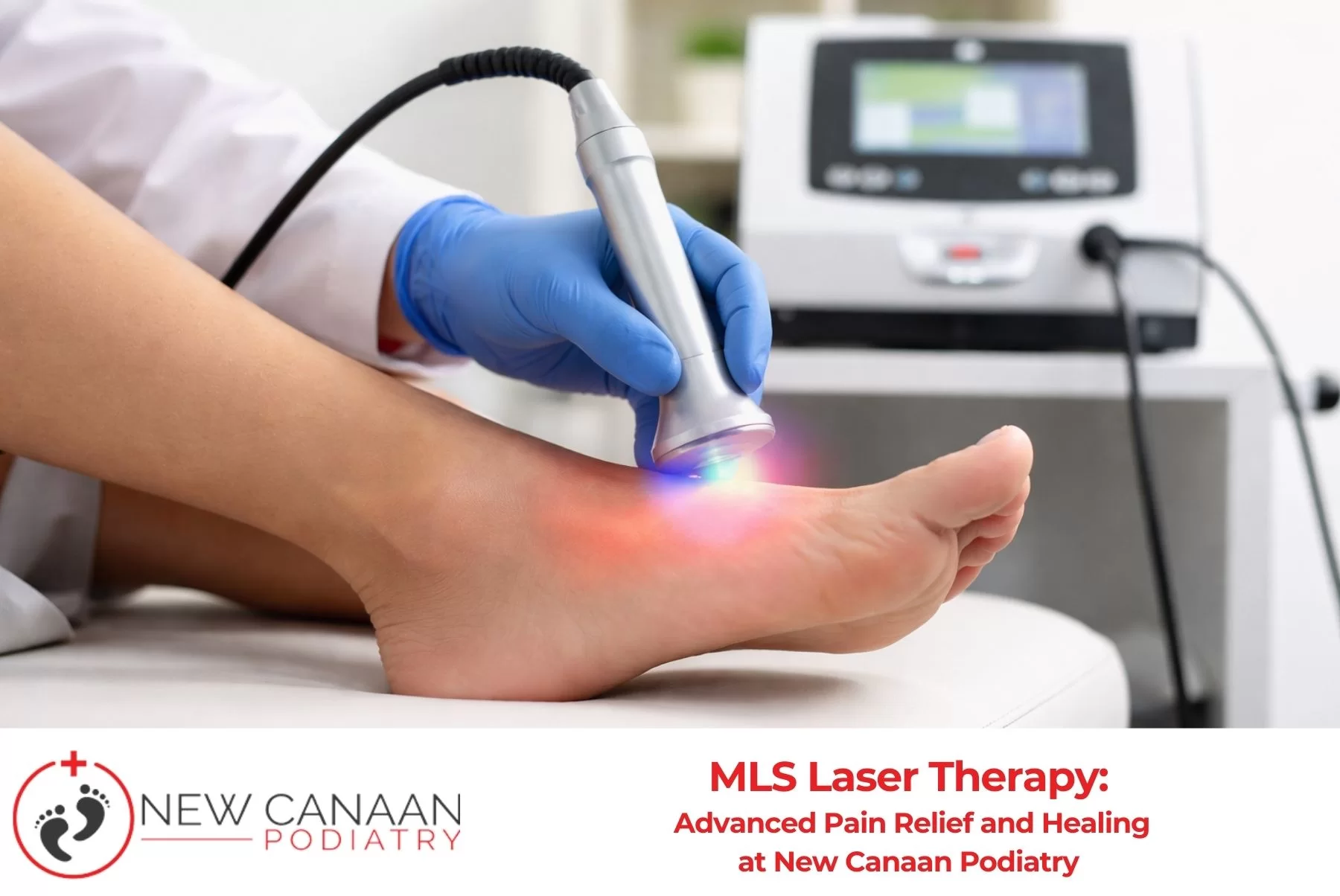
- MLS Laser Therapy — reduces joint inflammation and pain non-invasively, complementing other conservative measures
When Is Surgery Appropriate?
Bunion surgery — known as a bunionectomy — is appropriate when conservative treatments have been maximized and the patient continues to experience significant pain that limits daily activities, when the deformity has progressed to a severe degree, or when arthritic joint damage warrants surgical correction.
Modern bunion surgery techniques are highly effective and have evolved significantly over the past decade. Recovery, while requiring several weeks of protected weight-bearing, is manageable for most patients. However, surgery is not without risks, and outcomes depend significantly on the degree of the deformity, the patient’s overall health, and the surgical technique selected.
It is important to note that surgery corrects the structural deformity but does not address the underlying biomechanical factors that caused the bunion in the first place. Without ongoing orthotic therapy and appropriate footwear choices post-surgically, recurrence is possible.
Bunion Evaluation and Treatment at New Canaan Podiatry
At New Canaan Podiatry in New Canaan, CT, Dr. Jennifer Tauber, DPM, provides comprehensive bunion evaluation, including in-office digital X-rays to assess the degree of deformity and joint health, and individualized treatment planning that begins with conservative management and progresses to surgical referral only when warranted.
Whether you have just noticed the first signs of a bunion or have been managing one for years, Dr. Tauber will provide honest, expert guidance on the most appropriate path forward for your specific situation. Call (203) 548-7688 or request an appointment online.
Authoritative Resources: