Toenail fungus — medically known as onychomycosis — is one of the most common nail conditions in the world, affecting an estimated 10% of the general population and up to 30% of adults over the age of 60. Despite how widespread it is, toenail fungus is also notoriously difficult to treat effectively. Many patients spend months using over-the-counter products with little to show for it before finally seeking professional care. Understanding why onychomycosis is such a stubborn condition — and what treatments actually deliver results — can save you significant time, frustration, and money.
Why Toenail Fungus Is So Difficult to Treat
The core challenge with toenail fungus is anatomical. Unlike a skin infection on the surface, the fungi responsible for onychomycosis (typically dermatophytes, though yeasts and molds can also be involved) colonize beneath the nail plate — embedding themselves in the nail bed, the soft tissue directly beneath the nail. This location puts them behind a thick physical barrier that most topical products cannot penetrate effectively.
Consider that a healthy toenail is typically 0.5 to 2mm thick. Over-the-counter antifungal polishes and creams struggle to reach concentrations high enough in the nail bed to kill the fungi responsible for the infection. This is why patients using these products often see some cosmetic improvement — the nail looks slightly better — but the infection persists underneath and eventually returns to full strength.
Additional factors that make onychomycosis difficult to treat include:
- The slow growth rate of toenails — it takes 12 to 18 months for a toenail to fully grow out, meaning even successful treatment takes a long time to produce a visibly clear nail
- Ongoing reinfection risk from shoes, socks, and shared surfaces where the fungi survive
- The presence of multiple fungal species simultaneously, each with different sensitivities to various antifungal agents
- Systemic conditions such as diabetes, peripheral vascular disease, and immunosuppression that impair the body’s ability to fight fungal infections
Professional Treatment Options That Actually Work
When over-the-counter products have failed, professional podiatric treatment offers significantly more effective options.
Prescription Oral Antifungals
Systemic antifungal medications — most commonly terbinafine (Lamisil) — reach the nail bed via the bloodstream, bypassing the nail plate barrier entirely. Clinical trials show cure rates of 70% to 80% with a full course of oral antifungal therapy. Treatment typically lasts 6 to 12 weeks, with the nail continuing to clear over the following months. Oral antifungals require monitoring with periodic blood tests, as they are metabolized by the liver, but they are well-tolerated by most healthy patients.
Prescription Topical Antifungals
Medical-grade topical antifungals — such as ciclopirox (Penlac) and efinaconazole (Jublia) — have superior penetration compared to over-the-counter products. While their cure rates are lower than oral therapy (30% to 50% in clinical studies), they are an important option for patients who cannot take systemic medications due to health considerations.
Clearanail® Controlled Micro-Penetration
One of the most innovative treatments available at New Canaan Podiatry is the Clearanail® system — a unique device that creates tiny micro-channels through the nail plate without damaging the nail bed. These controlled perforations allow topical antifungal medication to penetrate directly to the site of infection, dramatically improving efficacy. Because the procedure is painless, requires no downtime, and can be performed in-office in minutes, it is an excellent option for patients seeking a non-systemic treatment with better penetration than conventional topicals.
Laser Treatment for Nail Fungus
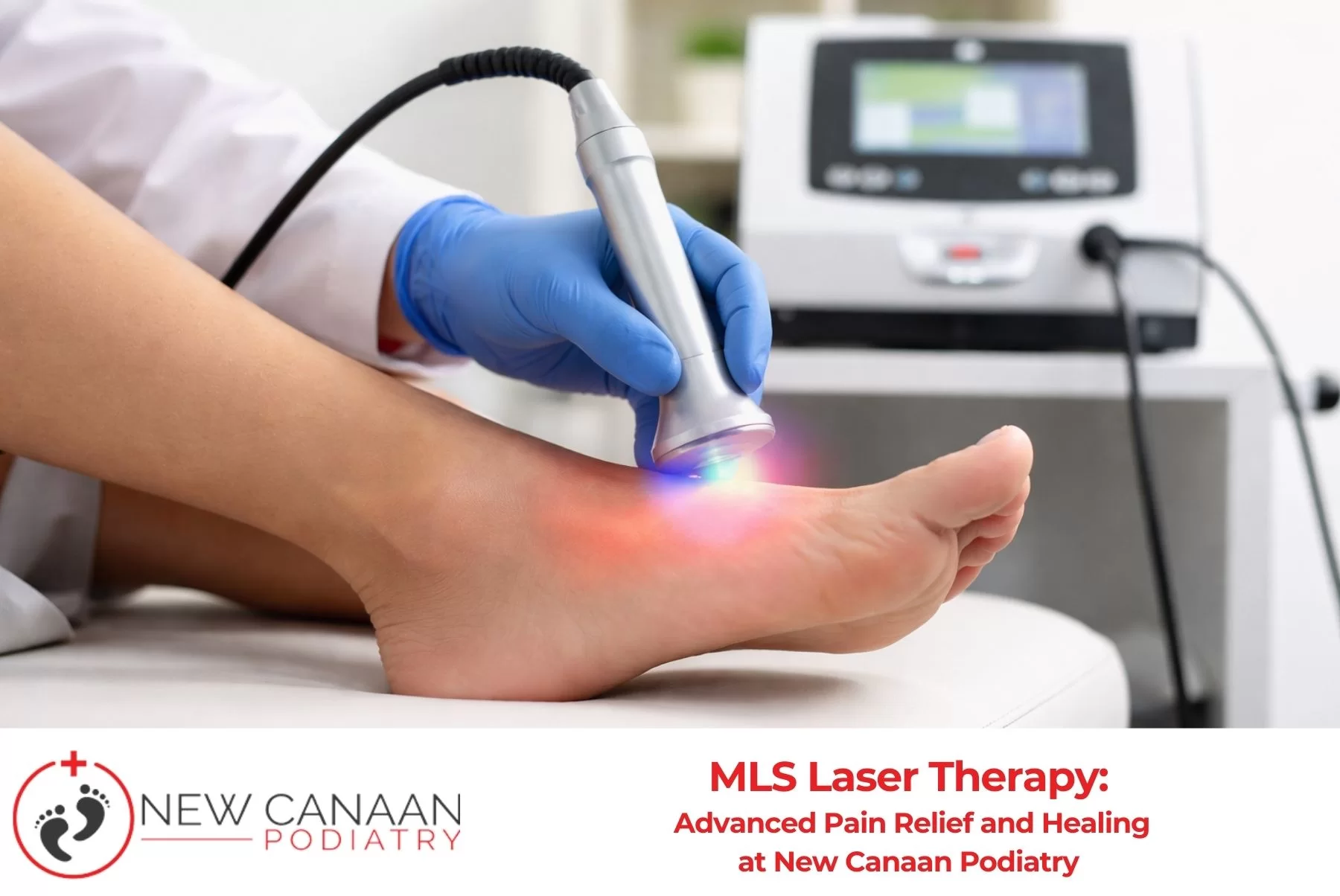
Laser-based nail fungus treatments target the pigments and structures within the fungi using focused laser energy, destroying the organisms without damaging surrounding nail tissue. Laser therapy is particularly well-suited for patients who want to avoid medications entirely or for whom oral antifungals are contraindicated.
Preventing Reinfection: Just as Important as Treatment
Successfully treating toenail fungus is only half the battle. Without addressing the conditions that allow fungi to thrive, reinfection is common. Preventive measures include:
- Always wearing footwear in communal areas such as gym locker rooms, pools, and public showers
- Keeping feet clean and thoroughly dry, particularly between the toes
- Changing socks daily and choosing moisture-wicking materials
- Treating shoes with antifungal sprays or powders regularly
- Replacing old footwear that may harbor fungal spores
- Using Dr. Remedy’s enriched nail polish — available at New Canaan Podiatry — which is formulated without harmful chemicals and is safe for use during and after treatment
Professional Nail Fungus Treatment at New Canaan Podiatry
At New Canaan Podiatry in New Canaan, CT, Dr. Jennifer Tauber, DPM, will evaluate your nail, confirm the diagnosis, and design an individualized treatment plan that gives your nails the best chance of full recovery. Whether you are a candidate for Clearanail®, prescription topicals, oral therapy, laser treatment, or a combination approach, we have the tools and expertise to help.
Call (203) 548-7688 or request an appointment online.
Authoritative Resources: